
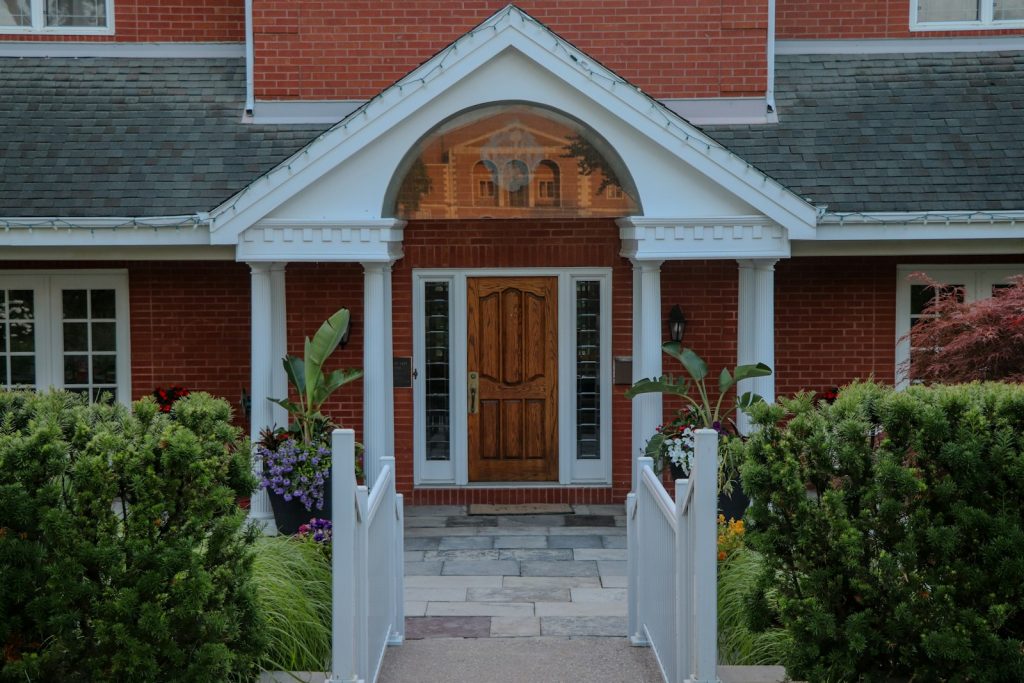
Unlike Dearborn and several Downriver cities, the communities around Troy, Royal Oak and Birmingham do not publish a point-of-sale inspection requirement for an ordinary occupied home. The local rules that do catch sellers are vacant-house certification, rental licensing and the final water reading.
By BIG Real Estate · November 8, 2026 · Rules checked November 8, 2026 on each municipality's official website
Sellers who have bought or sold in Dearborn, Flat Rock or other Wayne County communities often expect a city inspector to visit before closing. Dearborn says a certificate of occupancy "must be obtained prior to closing" on a home sale, and Flat Rock has required resale inspections on all residential homes since July 6, 2020, for a $200 fee (City of Dearborn; City of Flat Rock).
In southeast Oakland County the picture is different. We checked the official building, water and forms pages of 21 municipalities in and next to BIG Real Estate's service area. None of them publishes a requirement that an ordinary, occupied single-family home pass a city inspection before it is sold. That does not mean there are no local rules. Three kinds come up in real transactions: houses that are vacant, houses that are rented, and the final water bill.
A note on method: online code libraries (Municode, eCode360, American Legal) blocked our automated access, so these findings come from each city's own web pages, forms and fee schedules rather than from the codified ordinance text. Rules change, and a city can enforce a code section that its website does not describe. Confirm with the building department before you list.
What we found, city by city
No point-of-sale inspection for an occupied home found on the city's site:
- Madison Heights is the most explicit. Its certificate-of-occupancy application (revised June 2025) says a certificate "is not required for the change of ownership or tenancy of an existing residential dwelling unit." Commercial and multi-family sales are a different matter (form).
- Bloomfield Hills says in its FAQ that it does not require an inspection for the sale of a home (FAQ).
- Troy lists a sale only as an optional reason to request a certificate of occupancy; its rules impose no residential resale requirement (Troy C of O rules).
- Rochester runs its certificate-of-occupancy program for businesses (City of Rochester). Southfield's certificate-of-occupancy page covers commercial buildings (Southfield).
- Bloomfield Township charges $25 for a residential certificate of occupancy, but its form ties that certificate to finished permit work, not to a sale (form, 2024).
- Ferndale, Hazel Park, Huntington Woods, Pleasant Ridge, Lathrup Village, Oak Park, Beverly Hills, Rochester Hills, Sterling Heights and Redford Township: we found no sale requirement for owner-occupied homes. Their published programs cover rentals, vacant buildings, businesses or new construction.
Royal Oak deserves a closer look, because it came close. In May 2019 the city's building official proposed a re-occupancy ordinance that would have required a valid certificate of occupancy before any property was sold. The staff memo noted that "the City of Royal Oak does not require an inspection prior to the sale." Instead of approving it on first reading, the City Commission directed staff to spend six months documenting unsafe-home cases (memo; minutes, May 20, 2019). We found no record that the ordinance was later adopted. The ordinance Royal Oak did adopt in 2024 (No. 2024-06) created rental registration, not a sale inspection (Ordinance 2024-06).
The nearby exception: the Charter Township of Royal Oak (a separate municipality near Ferndale and Oak Park) adopted an "Inspection at Point of Sale" ordinance in April 2017 (township notice).
Under discussion: Fox 2 Detroit reported in April 2026 that Southfield's council was considering requiring inspections before sellers list a home. We found no adopted ordinance. Sellers in Southfield should ask the city before listing.
Rule 1: A vacant house is treated differently
Several cities that leave occupied sales alone do regulate vacant homes, and an estate sale or a move-out-then-sell plan can trigger them.
- Birmingham: vacant homes must be registered, and "a final inspection is required before the home can be re-occupied." Registration ($100), the exterior safety inspection ($75) and the final inspection ($75) total $250 (application).
- Clawson: a certificate of occupancy is required for commercial property, new homes and "Vacant & Abandoned property as identified in the Clawson Code of Ordinances" (Guide to Building and Permits, rev. 5/22/2022).
- Berkley: a $200 vacant-building registration (form); a city letter template has buyers of vacant property agree to finish required repairs within 30 days of closing (letter).
- Warren: a vacant home the city has posted "no occupancy" cannot be occupied until it receives city certification (application).
- Bloomfield Hills: vacant or abandoned homes must be registered and inspected, with corrections made before a certificate of occupancy is issued (FAQ).
What it means: if the house is empty, or has been sitting since an owner moved or died, call the building department before you set a closing date. A required repair list can change your timeline and your negotiation.
Rule 2: Rentals carry their own inspections
Most of the cities we checked, especially the older inner-ring suburbs, run a rental registration or landlord-licensing program, and that is probably why some agent checklists mark these cities "yes" for certificates of occupancy. Examples: Oak Park charges $80 to register and $150 per inspection, required every two years or at a change of tenancy (form). Birmingham's annual rental license starts at $200. Ferndale states that "all rental properties" must be registered (Ferndale). Royal Oak added registration in 2024.
This matters for two groups. Investors buying a tenant-occupied house should budget for registration and inspection and ask whether the seller's license is current. Owners who plan to rent out their home instead of selling it this winter should expect to register before a tenant moves in.
Rule 3: The final water reading is the one nearly every seller deals with
Every municipality handles the final water and sewer bill, but the lead times differ:
- Clawson asks sellers to book an in-home reading at least one week before closing (Clawson).
- Beverly Hills asks for a call two to three business days ahead (Village of Beverly Hills).
- Sterling Heights asks for 48 hours (FAQ); Bloomfield Township requires 24 hours' notice (form); Troy needs one business day (Troy), as does Warren.
- Berkley lets owners submit a meter photo for a final statement (Berkley).
Unpaid water bills do not simply disappear at closing. Rochester Hills, for example, says unpaid bills are added to the winter tax bill, which is why title companies collect the final bill. Order the reading early enough that the figure is on the settlement statement.
No city inspection does not mean no disclosure
The absence of a city inspection does not reduce what a Michigan seller must disclose. The state's Seller Disclosure Statement asks, among other things, about structural modifications or repairs made without the necessary permits, zoning violations, and any outstanding municipal or utility assessments or fees (MCL 565.957). The buyer's own inspection, and sometimes the lender's appraiser, will look at the same things a city inspector would. A finished basement without a permit can still come up in negotiation; it simply comes up through the buyer rather than the city.
What to do before you list
- Confirm the rule for your address. Call the building department, and if your city's site is unclear, ask specifically about "resale," "re-occupancy," vacant-property registration and rental licensing.
- If the house is vacant, ask whether registration or a re-occupancy inspection applies, and how long repairs take to sign off.
- If you have done work without permits, talk with your agent about disclosure and whether to obtain a permit after the fact before listing.
- Book the final water reading as soon as the closing date is set, using your municipality's lead time.
- If you're buying a rental, make rental registration and inspection status part of your due diligence.
For pricing and timing in today's market, see our guide to selling a home in Oakland County this fall.
The takeaway
In most of southeast Oakland County, selling an occupied single-family home does not require a city inspection or certificate. The local requirements that do apply are narrower: vacant-property rules in cities such as Birmingham, Clawson, Berkley, Warren and Bloomfield Hills; rental licensing in most cities; and a final water reading with lead times from one business day to a week. Because ordinances change, and Southfield has discussed a pre-listing inspection this year, confirm the current rule for your address before you list.
This article is general information, not legal advice. Municipal requirements change; confirm with the city or township and with your title company before listing or closing.